First impressions sell homes. In Longmeadow, the streetscape sets a high bar with mature trees, stone walls, and classic walkways. If you plan to list soon or simply want to boost perceived value, a few targeted upgrades can help your home stand out in photos and in person. In this guide, you’ll learn which curb appeal projects work best for Longmeadow’s colonial and mid-century homes, how to plan weekend wins, and when to invest more for a bigger impact. Let’s dive in.
What Longmeadow buyers notice first
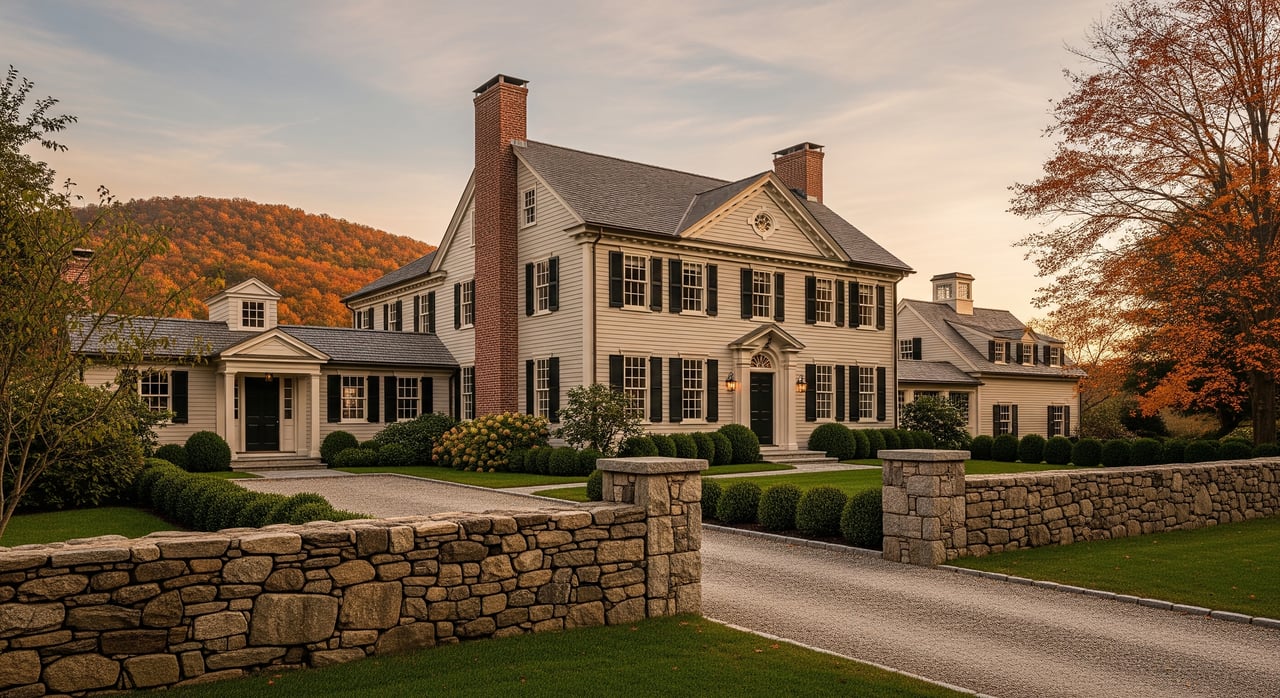
Longmeadow buyers often respond to homes that respect the neighborhood’s character. On historic streets, they expect preserved details and traditional materials. On mid-century blocks, they look for clean lines and simple, well-edited landscaping. Tree-lined streets, brick or bluestone walks, and stone walls all shape that first impression, so upgrades that fit the local streetscape will read as higher value than trendy one-off changes.
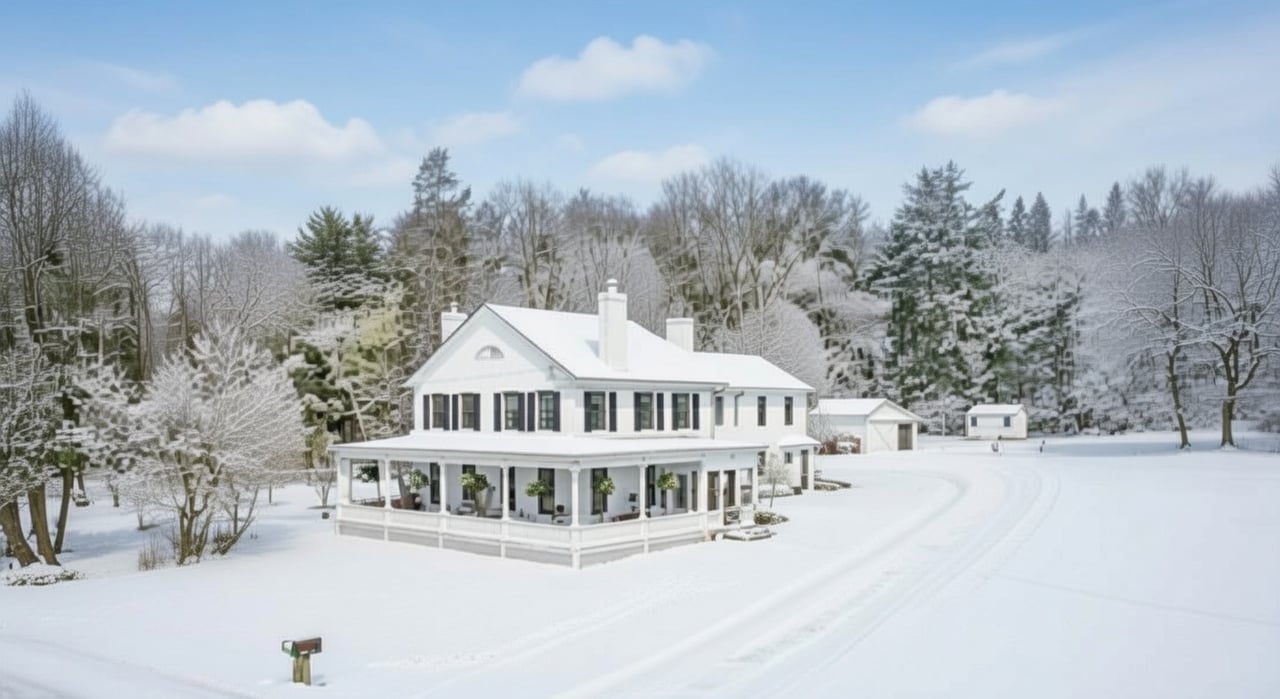
Western Massachusetts winters are tough. Materials and plants need to handle salt, snow, and freeze-thaw cycles. Durable choices that hold up through February look better in April photos and showings. If your property sits near conservation land or a floodplain, you may also need to meet extra standards, so plan ahead.
Front entry upgrades that sell
A well-defined front entry is the single strongest signal of care and warmth. Buyers form opinions in seconds, and a crisp entry sequence sets the tone for the whole visit.
Simple, high-impact fixes
- Repaint or refinish the front door in a color that complements your home. Pair it with updated hardware in bronze, aged brass, or black.
- Replace house numbers and the mailbox with legible, style-appropriate options. Contrast and reflectivity help buyers find your address at dusk.
- Add a storm or screen door if appropriate to your home’s era. Clear-glass designs suit colonial homes, while simple flush styles suit mid-century.
- Place a scaled welcome mat and two container plantings at the entry. Use a hardy evergreen base and rotate seasonal color.
When to invest more
- Repair or repaint porch posts and railings, and match original details when possible so the work reads as preservation.
- Refresh the stoop or add pavers to better define the entry path. In historic contexts, in-kind materials blend best.
Landscaping that fits the street
The best landscapes in Longmeadow look like they belong. They echo the neighborhood’s rhythm and keep maintenance sensible.
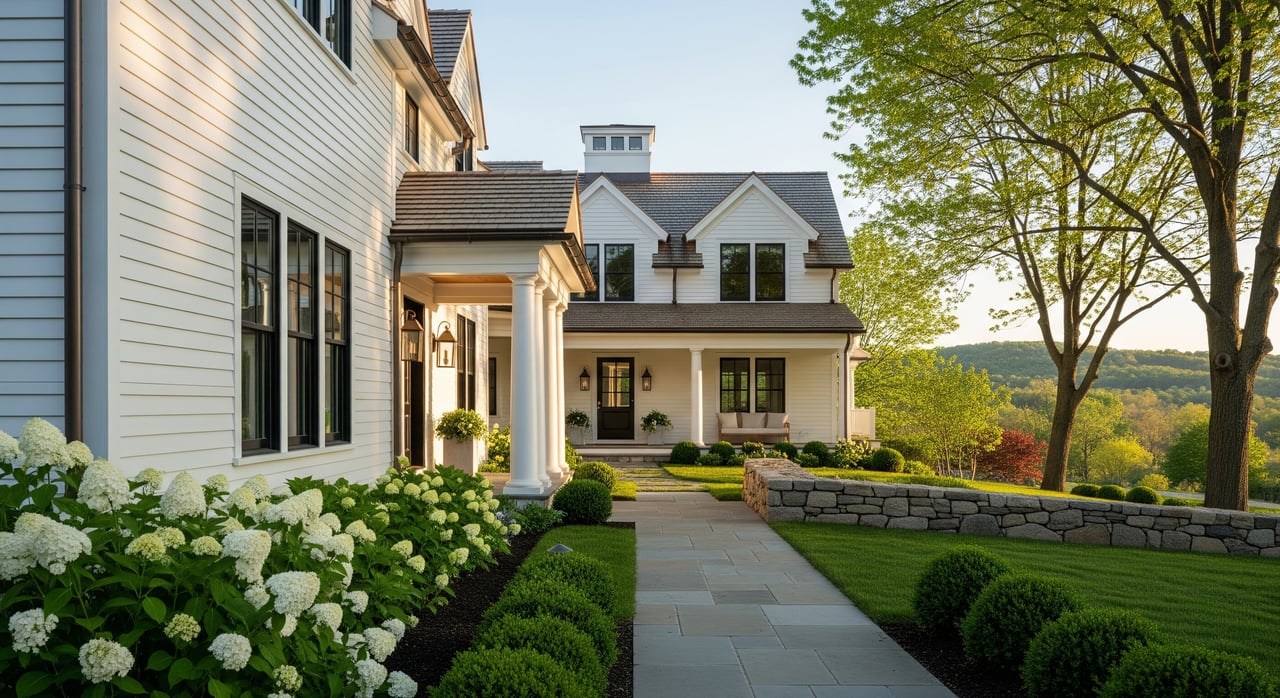
- For colonial homes: use clipped foundation shrubs, symmetrical plant masses, and classic materials like brick or bluestone.
- For mid-century homes: keep a broad, open lawn with simple, low plantings that frame horizontal lines and larger windows.
- Prioritize year-round structure with evergreen shrubs and architectural trees. Low-maintenance native plants are a plus for today’s buyers.
Native plants buyers appreciate
Work with a local nursery or extension resource for exact varieties, but these region-appropriate options are a strong starting point:
- Foundation shrubs: inkberry holly, bayberry, highbush blueberry, and select dwarf rhododendron or azalea in partial shade.
- Trees and small specimens: serviceberry, redbud, cold-hardy Japanese maple cultivars, and disease-resistant crabapple.
- Perennials for color and pollinators: bee balm, black-eyed Susan, coneflower, and asters for fall interest.
- Grasses and texture: little bluestem and native ornamental grasses pair well with mid-century design.
Hardscape, edges, and safety
- In historic contexts, bluestone, brick, or gravel with metal edging read naturally. For mid-century, simple poured concrete or aggregate with clean seams fits.
- Repair cracked walkways and level trip hazards. Buyers equate safety and upkeep with overall maintenance.
Trees and lawn care
- Mature shade trees are a big asset. Have significant trees inspected and maintained rather than removed when possible, and keep documentation to share with buyers.
- A neat, well-fed lawn signals care, but professionally designed alternatives like native groundcovers or small meadow strips are increasingly accepted.
Lighting that welcomes after dark
Evening curb appeal matters for drive-bys and twilight photos. The right lighting makes your home feel both safe and inviting.
- Layer your lighting: an entry fixture, path or step lights, an accent light for a specimen tree or facade, and garage or driveway lights.
- Choose warm LED bulbs at 3000K or warmer for a welcoming tone. LEDs also reduce maintenance and operating cost.
- Match fixtures to your home’s style. Simple geometric shapes suit mid-century; classic lantern forms suit colonial.
- Add timers, photocells, or smart controls to keep lights consistent. For any exterior wiring changes, confirm local code and use a licensed electrician.
Paint and palettes that work here
Aim for harmony with the neighborhood and your home’s era. Simple palettes and restrained contrast tend to show best.
Colonial palette ideas
- Try a warm off-white or light gray body with crisp white trim and a deep door color like navy, forest green, or rich red.
- Keep window trim profiles and shutter proportions consistent with period details. Natural brick and stone accents often look best unpainted.
Mid-century palette ideas
- Muted earth tones or monochrome schemes like charcoal, olive, or greige pair well with natural wood or black metal accents.
- Emphasize horizontal lines and authentic materials such as wood or composite siding.
Prep and repair first
- Scraped or peeling paint, rotted trim, and failing caulk are red flags for buyers. Budget for surface prep before painting.
- Repainting the front-facing elevation or trim can have a bigger visual payoff than new plants alone.
Driveway, garage, and details
Secondary features still play a big role in how your home photographs and feels on arrival.
- Garage doors are a focal point. Choose a carriage-style door for a colonial or a simple, mid-century-appropriate design.
- Repair or resurface the driveway and clearly edge walkways for a clean finish.
- Refresh gutters and downspouts, consider simple rain chains, and tidy fences or stone walls so they look cared for.
Quick wins this weekend
Target projects that show immediate care and make listing photos pop. Use this checklist to plan by effort level.
Same-day, low-cost checklist
- Repaint or replace front door hardware and numbers.
- Power-wash the facade, walkways, and driveway. Clean gutters and downspouts.
- Plant two matching entry containers with an evergreen base and seasonal color.
- Replace exterior bulbs with warm-white LEDs and clean the fixtures.
- Add fresh mulch to foundation beds and prune overgrown shrubs.
- Replace a worn welcome mat and mailbox.
Moderate projects, few days
- Repaint trim, shutters, or front facade accents.
- Reset a stoop or replace missing or settled walkway stones.
- Install simple path lighting. Use a licensed electrician if wiring is required.
- Replace the garage door with a style that fits your home’s era.
Major upgrades that pay off
- Rebuild or replace a front stoop or porch, including columns and railings where needed.
- Re-sod a tired lawn or install a designed, low-maintenance alternative with proper drainage.
- Commission a professional landscape redesign that emphasizes native plantings and integrated hardscape.
Plan, permits, and timing
Before you start, confirm local requirements. Many Longmeadow properties are subject to zoning, building, and in some areas, historic-district review. If your project alters steps, walkways, drainage, or impervious surface area, you may need permits. Properties near conservation land or in flood-prone areas may face additional rules.
Document professional work and warranties as you go. Buyers appreciate proof of maintenance, and organized records support stronger offers. Prioritize low-cost, high-impact maintenance and entry upgrades first, then scale up to larger projects once those basics shine.
Seasonally, early spring through late summer is ideal for most exterior work. Fall is also a strong time to stage entries with clean beds, seasonal containers, and warm lighting that photographs well. Avoid major plant installs right before winter.
Two before-and-after ideas
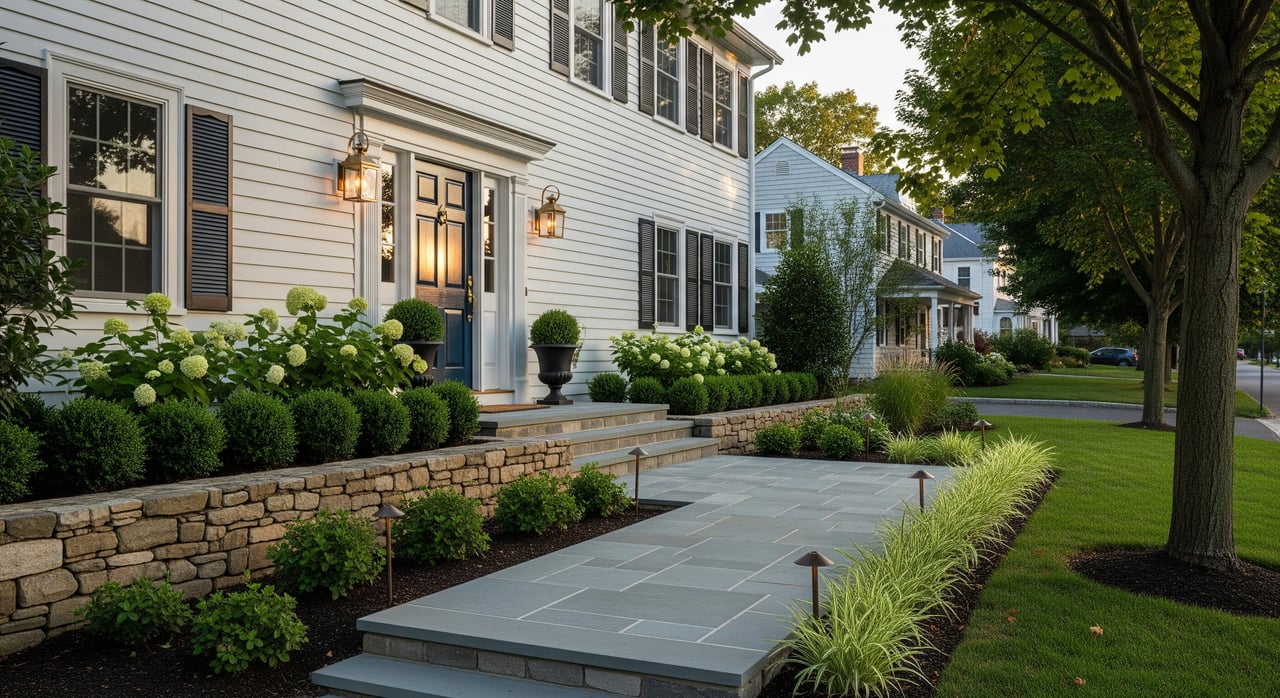
- Colonial vignette: A light gray clapboard home gets a deep navy door with aged brass hardware, white-trim touch-up, two matching evergreen planters, and a simple black lantern fixture. The bluestone walk is re-leveled and edged. Result: a classic, symmetrical entry that looks original and well maintained.
- Mid-century vignette: A low, wide ranch trades fussy shrubs for a clean line of native grasses, a couple of serviceberries, and a simple concrete stepping path. The garage door is replaced with a flat-panel design in a wood tone, and the house number is modern and high-contrast. Result: cleaner lines and a calm, intentional look.
Ready to tailor a curb appeal plan to your address and timeline? Let’s talk through what will photograph best, what fits your home’s era, and what buyers in Longmeadow value most right now. For personalized guidance and a pricing strategy, reach out to the Stiles & Dunn Team today.
FAQs
Do Longmeadow curb appeal projects need permits?
- If work affects steps, walkways, drainage, or impervious surface area, permits are likely required. Check with the Town of Longmeadow planning and building departments, and confirm any historic-district oversight.
How can I update my front door without hurting historic character?
- Keep original proportions and details, choose historically sympathetic colors, and use in-kind materials where possible. If your home is in a designated historic area, seek approvals before starting.
What low-maintenance plants appeal to local buyers?
- Native shrubs with evergreen structure, simple mulch beds, and limited lawn areas reduce upkeep. Add pollinator-friendly perennials and consider drip irrigation rather than intensive annual displays.
Are smart lights and cameras worth adding outside?
- Smart exterior features can be attractive extras, but they should support—not replace—basic maintenance, warm lighting, and a tidy entry. Present them as conveniences.
When is the best time of year to improve curb appeal in New England?
- Early spring through late summer is best for most projects. Fall staging also photographs well, but avoid major plant installations right before winter.